

Praise Donk: Why Silly Music is Important
January 9 2026 | Written by Phoebe Needham Chandler
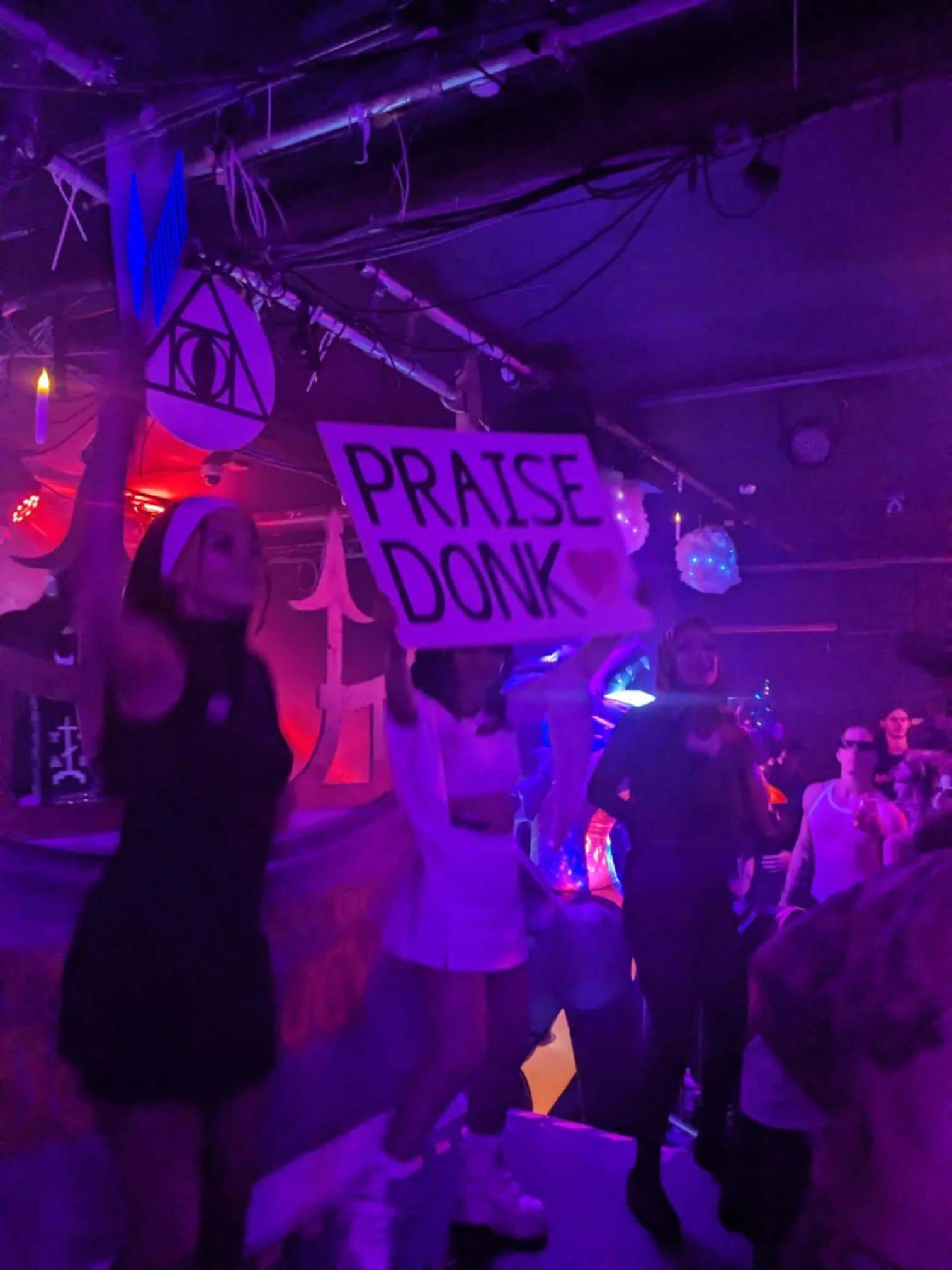
Donk is a UK electronic dance music genre characterised by its distinctive, offbeat bassline sound. It emerged during the late 90s and early 00s, centred mainly in the North of England. Key locations for its origins include Wigan, Burnley, Liverpool, and Bolton. The Blackout Crew, a Bolton-Based 2000s hip-hop group, popularised the donk genre with their momentous single ‘Put a Donk on it’, celebrated for its infectious energy and sheer absurdity. Currently, donk music is experiencing a significant revival, fuelled by a new generation of DJs who genuinely appreciate the sillier, unserious side of music.
A new wave of DJs is pushing the sound into fresh territory, blending modern club influences with internet-driven aesthetics. British DJ duo Hang the DJs, who recently played a range of festivals including Download and Bangface, are known for their high-energy donk remixes that fuse bouncy rave sounds with heavy bass. DJ and producer Lobsta B, also hailing from the UK, is best recognised for their high-octane hard dance mixes, medleying nostalgic 90s and 00s club classics. Highly regarded in the underground rave scene, Sheffield-based Spongebob Squarewave is a producer gaining rapid popularity from their fast-paced, multi-genre dance music; fans praise his ability to blend high BPMs with catchy melodies and erratic breaks. Also gaining notoriety with an established online presence, Boxxy is an electronic music producer celebrated for both his genre hybridity and his wacky ability to capture the chaos of internet culture.
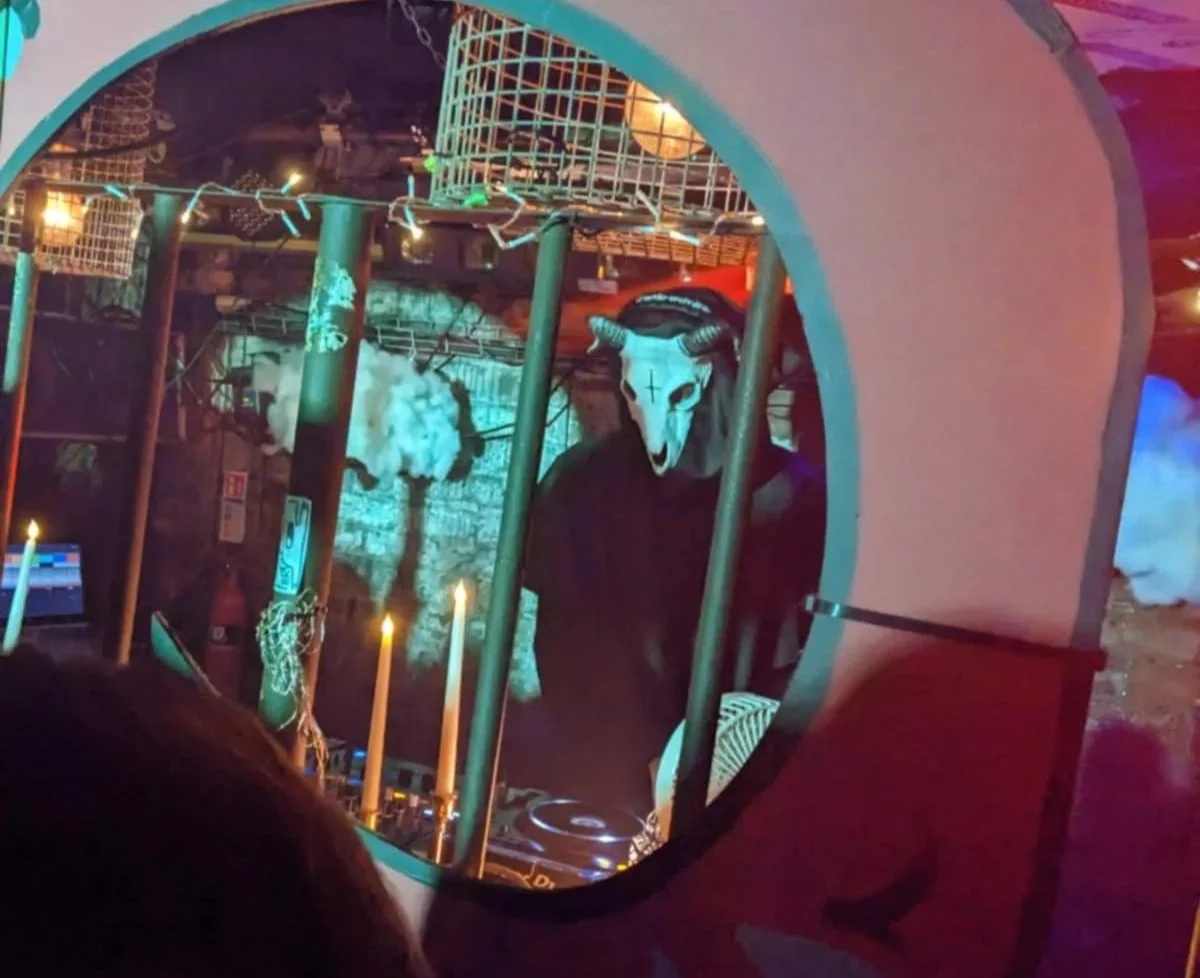
In recent years, donk events have experienced a notable surge in popularity. Often held in underground venues and warehouses, these events are renowned for promoting inclusivity and nostalgia, providing rave goers with a refreshingly fun atmosphere, and offering a space for individuals to express themselves freely. Donk lovers are keen to immerse themselves within the laidback, raw, and unfiltered nature of these music-centred events, prioritising community and whimsy over the predictable landscape of mainstream club culture. The Church of Donkology, a themed underground rave/hard dance event based in the UK, uses religious parody featuring donk music, dressing the DJs as ‘priests’ and referring to their events as ‘services’ and ‘congregations’. An example of one of their most recent events is ‘Church of Donkology 3: Quest for the Sword of 1000 Donks’ which took place at Beaverworks in Leeds. The idea of seeking spiritual enlightenment through donk, as comical as it sounds, emphasises how inclusivity has always been a foundational value in the rave scene, and that the dance floor is where background, identity, and status dissolve in favour of mutual experience.
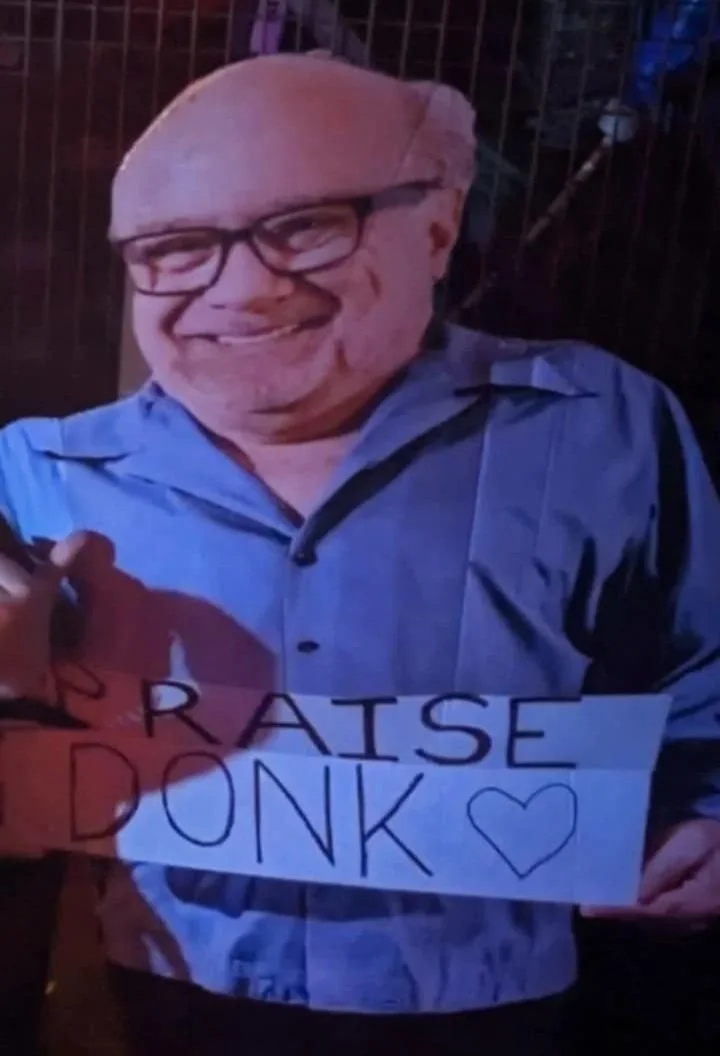
Nowadays, donk is more relevant than ever. This is because it cuts through an era of over-polished, algorithm-driven music, and speaks to an audience wanting to feel music instead of just passively consuming it. Previously considered a means of escapism amongst Northern England’s working-class communities, part of donk’s modern-day appeal stems from its accessibility, creativity, and communal ethos. Additionally, donk fits into today’s internet-oriented music scope, where nostalgia, experimentation, and irony all coexist. In a time where club culture is searching for authenticity, donk’s unapologetically bouncy, upbeat sound makes it feel both timely and necessary.
Donk’s resurgence signifies that high-impact sounds can find new life when embraced by a new generation. The genre’s return also demonstrates a broader shift in club culture that veers away from popular trends and focuses on community and inclusivity. As increasing amounts of upcoming DJs, producers, and events continue to reshape its sound, donk illustrates how music is made for feeling, not for fashion – praise donk!